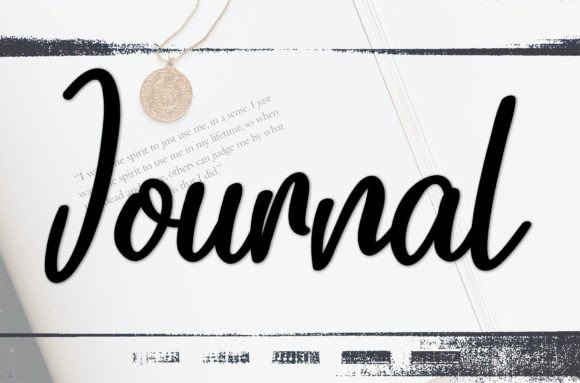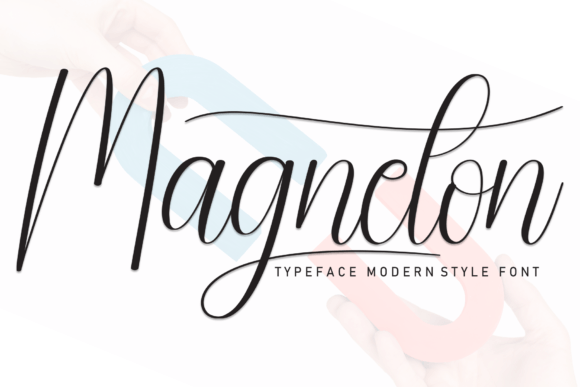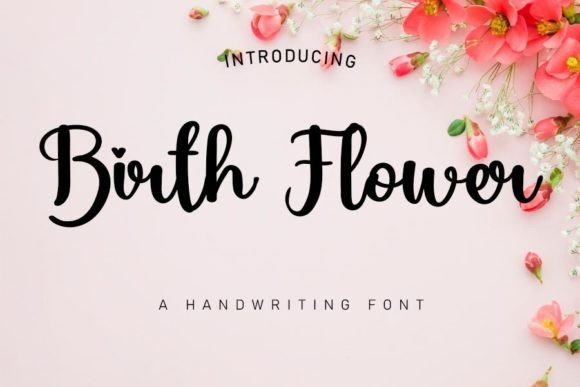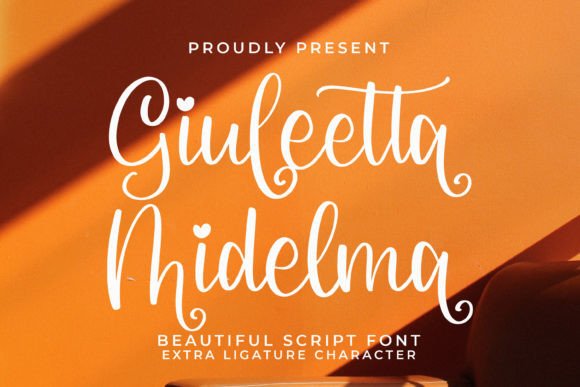
Homemade: The Handwritten Font for Authentic Design
In a digital landscape dominated by sleek, geometric sans-serifs and rigid corporate typefaces, there is a growing desire for something that feels more human. We crave connection, warmth, and authenticity in the designs we see every day. This is where Homemade steps in. It is not just another font file; it is a visual tool designed to bring a casual, personal touch to your projects. Whether you are a small business owner trying to build a brand identity or a hobbyist creating a wedding invitation, Homemade offers a smart-looking handwritten aesthetic that stands out without shouting.
What Makes Homemade Different?
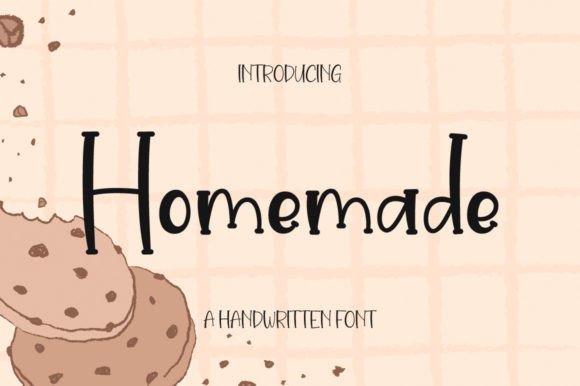
At its core, Homemade is a fun and smart-looking handwritten font. But what does that actually mean for your design work? Unlike messy, illegible script fonts that require effort to read, Homemade strikes a balance between artistic flair and practical readability. The letters have a natural flow, mimicking the slight irregularities of real handwriting, yet they remain clean enough to be used in professional contexts.
The appeal of this typeface lies in its versatility. It doesn’t scream "handmade" in a way that suggests amateurism; instead, it whispers "crafted with care." This subtle distinction is crucial for brands that want to appear approachable and friendly while maintaining a level of sophistication. The strokes are consistent, the spacing is thoughtful, and the overall vibe is relaxed. It is perfect for designs that need to feel personal, whether that is a thank-you note to a loyal customer or a quote shared on social media.
Where Homemade Shines: Practical Use Cases
One of the best ways to understand the value of a font is to see it in action. Homemade is incredibly versatile, making it suitable for a wide range of applications across different industries. Here are some realistic scenarios where this font can elevate your work:
- Invitations and Greeting Cards: If you are designing wedding invitations, birthday cards, or holiday greetings, Homemade adds an immediate sense of intimacy. It feels like someone took the time to write the message by hand, which creates an emotional connection with the recipient.
- Thank You Notes: In the age of email, a physical thank-you card stands out. Using Homemade for the salutation or the body text makes the note feel bespoke and heartfelt. It transforms a standard piece of paper into a keepsake.
- Social Media Quotes: Content creators and bloggers often use quote graphics to engage their audience. Homemade provides a casual backdrop that allows the words to shine. It prevents the design from looking too stiff or corporate, encouraging likes and shares.
- Logos and Branding: For boutique businesses, cafes, or artisanal product lines, a logo needs to reflect the brand’s personality. Homemade can serve as a primary logotype for brands that want to emphasize craftsmanship, community, and approachability.
- Business Cards: Imagine receiving a business card that looks like it was written by the person who handed it to you. Using Homemade for the name or title on a business card can make a memorable first impression, suggesting that the professional behind the card values personal interaction.
Who Should Consider Using Homemade?
You might be wondering if Homemade is the right choice for your specific project. While it is a broad-spectrum font, certain groups will find it particularly useful. Beginners in graphic design often struggle with choosing typefaces that look good but are easy to pair with other fonts. Homemade is forgiving; it pairs well with simple sans-serifs or clean serif fonts because it has enough character to stand alone but isn’t so ornate that it clashes easily.
For freelancers and entrepreneurs, time is money. Homemade saves you the hassle of hiring a calligrapher for every single design asset. You can achieve a custom, high-end look quickly and efficiently. Educators and parents also benefit from this font when creating classroom materials, worksheets, or home decor. The friendly nature of the letters makes learning materials feel less intimidating and more inviting for students of all ages.
Important Considerations Before You Start
While Homemade is a fantastic tool, no single font is perfect for every situation. To get the best results, it is important to understand its limitations and how to use it effectively.
Readability is Key
Even though Homemade is smart-looking, it is still a display font. It works best for headlines, short phrases, and titles. Avoid using it for long blocks of body text. When you try to read paragraphs written in a handwritten style, your eyes tire quickly, and the message gets lost. Use Homemade for the hook, and let a more neutral font handle the details.
Pairing Strategies
To prevent your design from looking chaotic, pair Homemade with a clean, minimalist font. A classic combination is using Homemade for the main title or name and a simple sans-serif like Helvetica or Arial for supporting information. This contrast highlights the uniqueness of the handwritten font while ensuring that essential data remains clear and legible.
Context Matters
Consider the tone of your project. Homemade is casual and fun. If you are designing a legal document, a technical manual, or a formal financial report, this font would likely undermine the seriousness of the content. Reserve Homemade for projects where warmth, creativity, and a personal touch are desired.
Maximizing Value in Your Designs
Using Homemade effectively goes beyond just selecting it from a dropdown menu. Think about scale and color. Because the font has a distinct personality, playing with size can create dramatic effects. A large, bold headline in Homemade can anchor a poster, while a tiny, delicate version can add a subtle signature at the bottom of a page.
Color also plays a significant role. Homemade looks great in black and white for a classic, timeless feel, but it can also pop in vibrant colors for party invitations or promotional materials. Experiment with textures as well; applying a slight paper texture or ink bleed effect over the font can enhance its handmade appearance, making it look even more authentic.
Final Thoughts
In a world where everything is automated and algorithmic, there is immense power in appearing human. Homemade is a resource that helps designers, marketers, and creators inject that humanity into their work. It is a smart, stylish, and accessible solution for anyone looking to add a casual touch to their designs. Whether you are crafting a logo for your new bakery, writing a heartfelt letter, or updating your blog’s header, Homemade offers a reliable way to connect with your audience on a deeper level.
By understanding its strengths and respecting its limitations, you can leverage Homemade to create designs that are not only visually appealing but also emotionally resonant. So, the next time you sit down to design something special, remember that sometimes, the most powerful tool you have is the one that looks like it was made by hand.