American Football Team Tee Design: A Practical Guide to Smart Print-on-Demand Choices
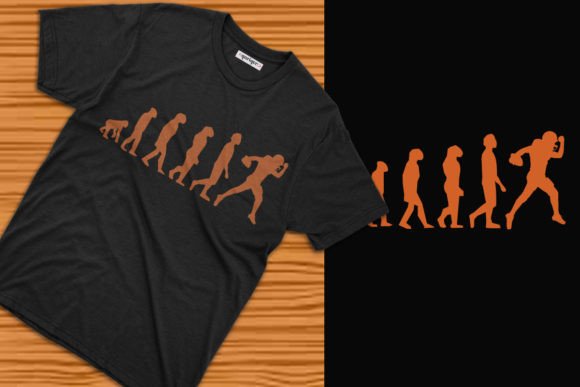
The intersection of sports fandom and streetwear fashion has never been more vibrant. For entrepreneurs, hobbyists, and creative professionals alike, the demand for high-quality apparel featuring team spirit is at an all-time high. This is where a well-crafted American Football Team Tee Design becomes more than just a graphic; it transforms into a revenue stream, a personal expression, or a community-building tool. However, navigating the world of print-on-demand (POD) templates requires more than just picking a pretty image. It demands an understanding of file formats, customization capabilities, and commercial viability.
Many creators rush into purchasing templates without evaluating their versatility or technical specifications. The result? Files that don’t print correctly, designs that look generic, or legal gray areas regarding usage rights. By focusing on a freshly made, fully customizable design template—specifically one that blends trendy typography with classic football aesthetics—you can avoid these pitfalls. Whether you are looking to launch a new brand or simply create unique gifts for your local league, understanding the nuances of design assets is crucial for success.
Why Customization Matters in Sports Apparel
One of the most common mistakes beginners make is treating a downloaded design as a finished product. While a pre-made American Football Team Tee Design provides a strong foundation, its true value lies in its adaptability. If a template is rigid, requiring complex software skills to alter even minor details, it becomes a bottleneck rather than a time-saver. The ideal template should be intuitive, allowing both professional designers and absolute beginners to tweak colors, text, and layout with ease.
Consider the difference between a static PNG and a vector-based source file. A static image might look good on a screen but will pixelate when enlarged for a hoodie or sweatshirt. Conversely, a vector format ensures crisp edges regardless of scale. When selecting a design asset, always prioritize those that offer full editability. This flexibility allows you to tailor the aesthetic to different seasons, specific teams, or trending styles without starting from scratch every time. Time is money in the POD business, and a simple-to-use interface can save hours of frustration.
Understanding File Formats: Beyond the Basics
Not all digital files are created equal. When you acquire a design package, the formats included determine what you can actually do with it. A frequent oversight is assuming that having a PNG file is sufficient for all printing needs. While PNGs are great for web previews and small stickers, they lack the scalability required for large-format prints like posters or oversized back-print hoodies.
To ensure maximum utility, your design toolkit should include a variety of formats:
- AI (Adobe Illustrator): The industry standard for vector editing. This is essential if you plan to make significant structural changes to the design.
- EPS: Another vector format widely supported by various printing services and software programs. It’s a reliable backup for AI files.
- SVG: Perfect for web use and cutting machines. If you are creating vinyl decals or digital mockups, SVG is indispensable.
- PNG: High-resolution raster images with transparent backgrounds. These are best for quick uploads to POD platforms where vector support isn’t available.
By ensuring your package includes all these formats, you future-proof your inventory. You won’t need to hunt for converters or worry about compatibility issues when switching between printing t-shirts, mugs, pillows, or bags. This versatility is particularly important if you plan to expand your product line beyond apparel.
Common Pitfalls in Design Selection and Usage
Even with the right tools, errors can occur during the application phase. One prevalent issue is ignoring the aspect ratio and safe zones of different products. A design that looks balanced on a square sticker may appear cramped or distorted when applied to the narrow chest area of a jumper or the wide back panel of a hoodie. Always preview your American Football Team Tee Design on actual product mockups before finalizing orders. Most modern design software offers mockup generators that help visualize this, but manual checks are still recommended.
Another overlooked detail is color mode. Screens display colors in RGB (Red, Green, Blue), while printers use CMYK (Cyan, Magenta, Yellow, Key/Black). If you design exclusively in RGB, your printed colors may appear duller or shifted compared to the digital proof. To maintain visual integrity, convert your files to CMYK before sending them to print, especially for large-area garments like sweatshirts or poster cards.
Furthermore, consider the target audience’s preferences. Sports fans often appreciate bold, clear typography and iconic imagery. Overly intricate designs can get lost in the noise, especially on smaller items like stickers or mug wraps. Simplicity often wins. Ensure your design elements are legible and impactful. If you are using typography, choose fonts that reflect the energy of the sport—strong, dynamic, and readable.
Maximizing Versatility Across Products
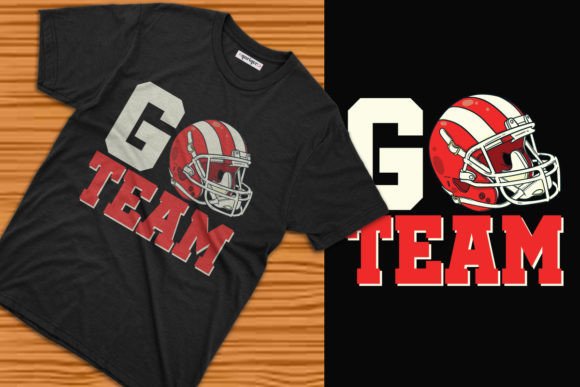
The beauty of a well-designed template is its cross-product applicability. A single American Football Team Tee Design shouldn’t be limited to just T-shirts. With the right formatting, it can adorn a wide range of merchandise. Imagine a cohesive brand presence where customers see the same striking graphic on a hoodie, a tote bag, a pillow, and even a set of poster cards. This consistency builds brand recognition and increases perceived value.
For instance, a design intended for a T-shirt front can be adapted for the front pocket of a bag or the side panel of a mug. Use the vector files to resize and reposition elements without losing quality. This approach not only saves design time but also allows you to test multiple product types with minimal effort. If a particular item sells better, you can quickly replicate the design across similar products.
Practical Steps for Evaluation
Before committing to any design asset, ask yourself a few critical questions. Does the template come with editable layers? Are the fonts embedded or outlined? Can I change the color palette to match my brand guidelines? Is there a clear license agreement for commercial use? Answering these questions upfront prevents costly mistakes later. Additionally, check for user reviews or examples of the template in action. Seeing how others have utilized the design can provide valuable insights into its potential and limitations.
Ultimately, the goal is to streamline your workflow while maintaining high quality. A thoughtfully selected American Football Team Tee Design does exactly that. It removes the guesswork from creation, allowing you to focus on marketing, customer engagement, and business growth. By avoiding common traps related to file formats, color modes, and product scaling, you position yourself for long-term success in the competitive world of print-on-demand. Remember, the best designs are not just visually appealing; they are technically sound and strategically versatile.